
Workforce Development
Training Opportunities with IRWP and Local Partners
What is it, and Who is it for?
Interested in native plants, stormwater solutions, and hands-on restoration work? Training programs connect trainees with practical skills, mentorship, and real-world experience in ecological restoration and landscape management.
Designed for anyone interested in expanding their skills in ecological restoration and sustainable landscaping — including professionals from municipal parks and public works, owners and operators, and landscape workers looking to grow into ecological service areas.
Program Areas
Full curriculum coming in 2026.
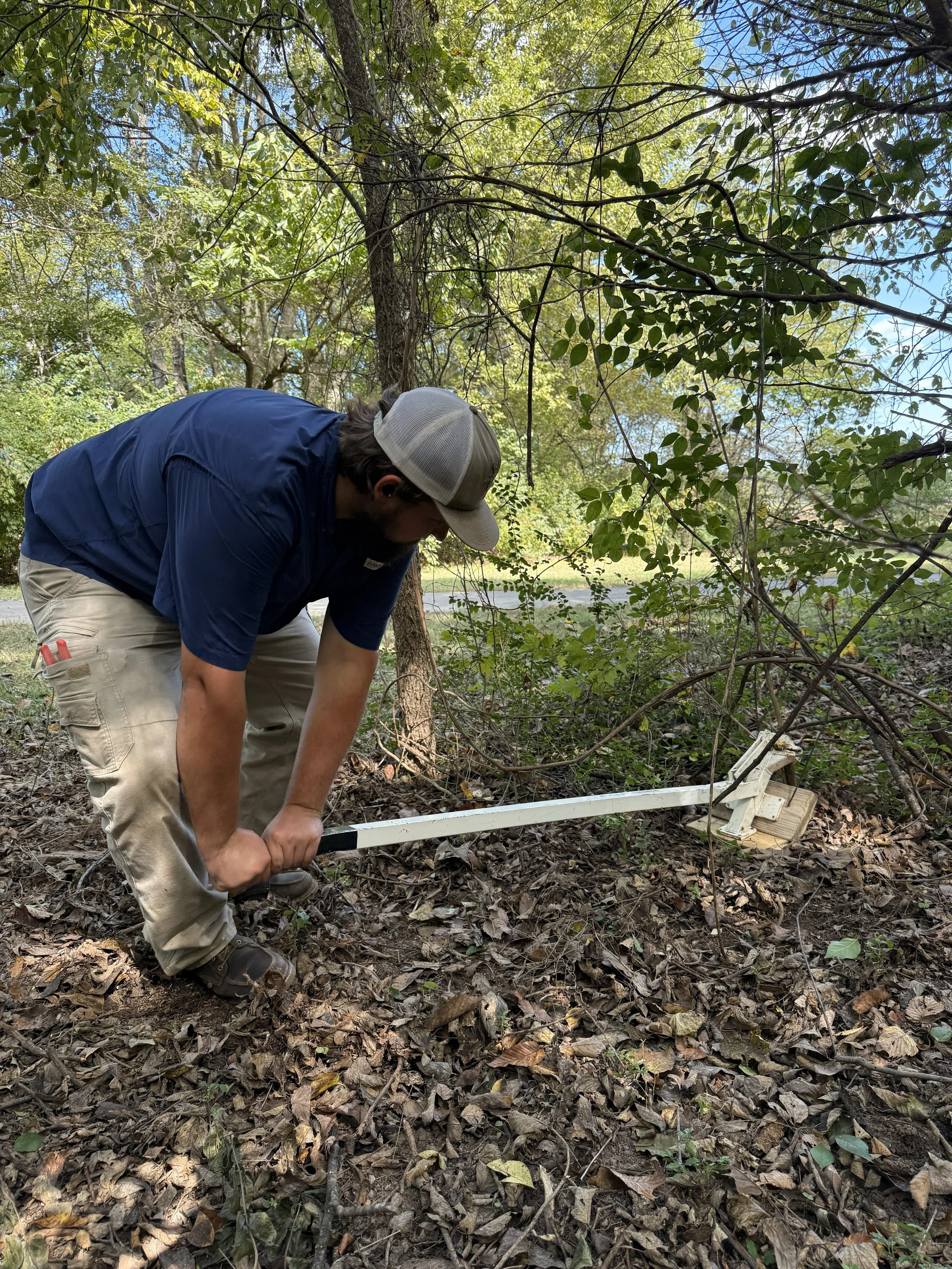
Tackling Invasive Plants and Revegetating with Natives
Supported by the US Forest Service
Courses on Invasive Plants are designed to help trainees identify native and invasive plants, determine the most effective removal methods and timing for invasive species, and develop management plans. Invasive removal training also emphasizes revegetation and long-term maintenance, because restoration is not a one-time effort.
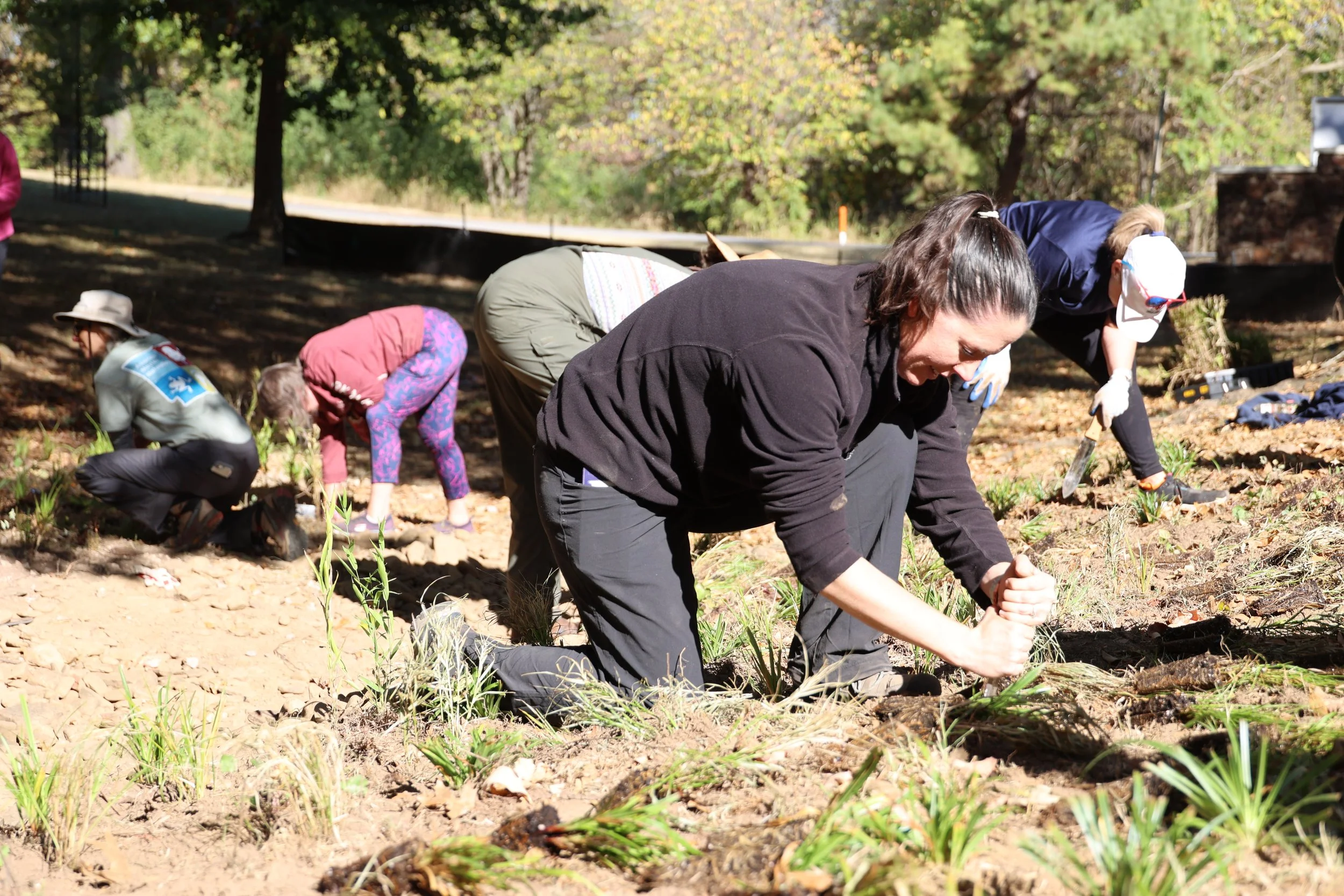
Become a Restoration Technician or Restoration Manager, or take an Ecological Sales, Marketing, and Leadership Courses
The Climate Pollution Reduction Grants (CPRG) through the Inflation Reduction Act, together with NWA Regional Planning, Watershed Conservation Resource Center and Beaver Watershed Alliance, IRWP and other partners are developing a certification program to support installation, maintenance, and business expansion for ecological services.
If you are interested in any of the topics listed on this page, please let us know using the form.
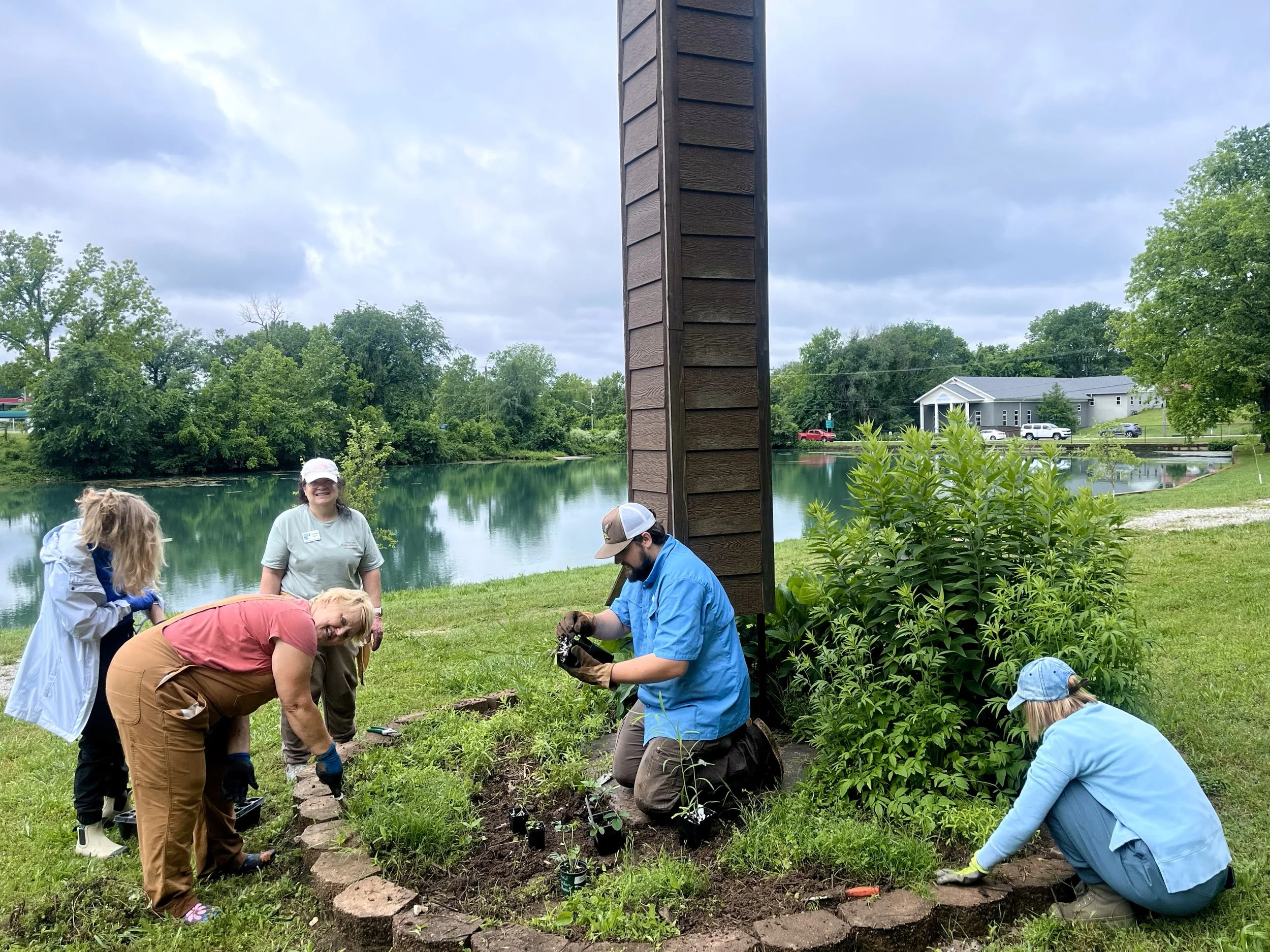
Green Infrastructure and Low Impact Development
Courses—like Rain Garden Design and Lawns to Landscapes—shift thinking away from relying solely on hard‑scaped infrastructure and toward resilient, distributed stormwater networks that connect our homes to the riverbanks. These approaches reduce runoff volume and peak flows, improve water quality, enhance urban green space, and increase landscape resilience to heavy rainfall using nature-based infrastructure techniques and native plants to get results.

Let us know that you are interested in Workforce Development or Training.

Areas and Formats Identified for Training:
1. Stream Restoration Certification Pathways – Rosgen-style or equivalent regional options.
2. Green Infrastructure / LID Training – Design, construction, and maintenance focus.
3. Native Plant Nursery & Landscaping Workshops – Propagation, site preparation, invasive control.
4. GIS & Field Mapping Skills – For entry- and mid-level positions.
5. Mentorship / Apprenticeship Programs – Employer-supported, regionally coordinated.
6. Flexible Training Models – Mix of local workshops + hybrid online learning to reduce barriers.